How to Ship Cat Food from China to Russia: A Comprehensive Logistics Guide
How to Ship Cat Food from China to Russia: A Comprehensive Logistics Guide
The global pet food market is booming, and Russia is no exception. With a projected cat food market value of $12.29 billion by 2030 and a cultural preference for feline companions, Russia presents a lucrative opportunity for exporters. However, navigating the complexities of international logistics—from selecting optimal routes to complying with customs regulations—requires strategic planning. This guide provides actionable insights for businesses seeking to transport cat food from China to Russia efficiently and cost-effectively.

1. Understanding the Russian Cat Food Market
Russia’s pet food industry is driven by pet humanization, with 85% of owners viewing pets as family members. This trend fuels demand for premium products like grain-free, natural-ingredient cat food. Key market insights include:
Market Growth: The Russian cat food segment dominates 44% of the pet food market, supported by 23 million cats nationwide.
Distribution Channels: Supermarkets account for 49% of sales, but e-commerce is growing rapidly (15% CAGR), driven by platforms like Ozon and Beru.
Sustainability Focus: Brands like Brit Care Sustainable highlight Russia’s shift toward eco-friendly packaging and ethical sourcing.
For exporters, aligning with these trends, such as offering premium or sustainable options, can enhance market penetration.
2. Key Shipping Routes from China to Russia
Choosing the right shipping method depends on cargo volume, budget, and delivery timelines. Below are the most reliable routes for cat food transportation:
Rail Freight: The Eurasian Land Bridge
Rail transport balances speed and cost, ideal for medium to large shipments.
Transit Time: 20–25 days from cities like Xi’an or Chongqing to Moscow.
Advantages: Direct access to inland Russian cities, reduced risk of spoilage compared to sea freight, and alignment with China’s Belt and Road Initiative (BRI).
For seamless rail logistics, partner with experts like Dear Railway Transport, offering door-to-door services and customs support.
Sea Freight: Cost-Effective Bulk Shipping
Sea routes are optimal for large-volume shipments.
Major Ports: Shanghai to Vladivostok (20–30 days) or St. Petersburg (30–35 days).
Container Options: Use reefer containers for perishable cat food to maintain freshness.
Air Freight: Speed for Premium Products
Air transport suits high-value or urgent shipments.
Transit Time: 4–5 days to major hubs like Sheremetyevo Airport.
Road Freight: Flexibility for Regional Deliveries
Trucking is ideal for door-to-door services in border regions.
Key Routes: Suifenhe (China) to Grodekovo (Russia) or Alashankou to Kazakhstan-Russia corridors.
Transit Time: 14–19 days with payloads up to 20 tons.
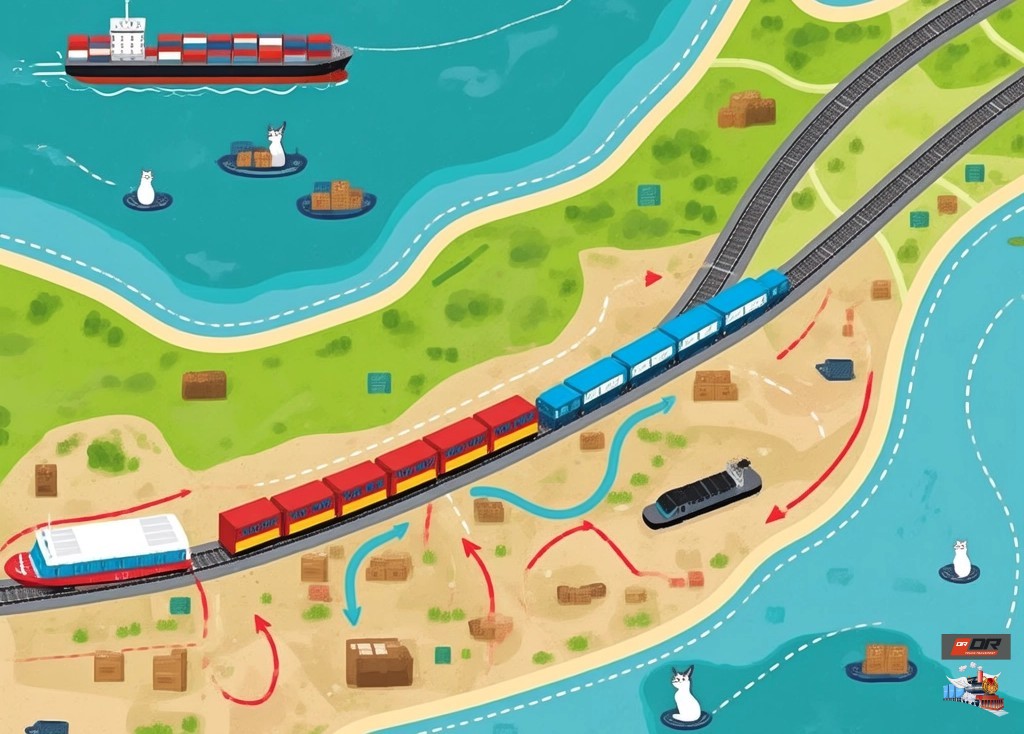
Table 1: Shipping Route Efficiency Comparison
| Transport Mode | Route Example | Transit Time | Cost Efficiency | Best For |
|---|---|---|---|---|
| Rail Freight | Xi’an to Moscow | 20–25 days | Moderate | Medium to large shipments |
| Sea Freight | Shanghai to Vladivostok | 20–30 days | High (Bulk shipments) | Non-urgent bulk cargo |
| Air Freight | Beijing to Moscow | 4–5 days | Low (Premium pricing) | High-value/urgent shipments |
| Road Freight | Suifenhe to Grodekovo | 14–19 days | Moderate | Regional border deliveries |
| Source: Industry benchmarks from logistics providers. |
3. Navigating Customs and Compliance
Russia’s customs procedures are stringent, particularly for food imports. Key considerations include:
Documentation Requirements
Veterinary Certificates: Mandatory for animal-derived ingredients.
HS Codes: Classify cat food under 2309 for “preparations of a kind used in animal feeding”.
Customs Valuation: Declared value must align with Russian Customs’ assessment methods.
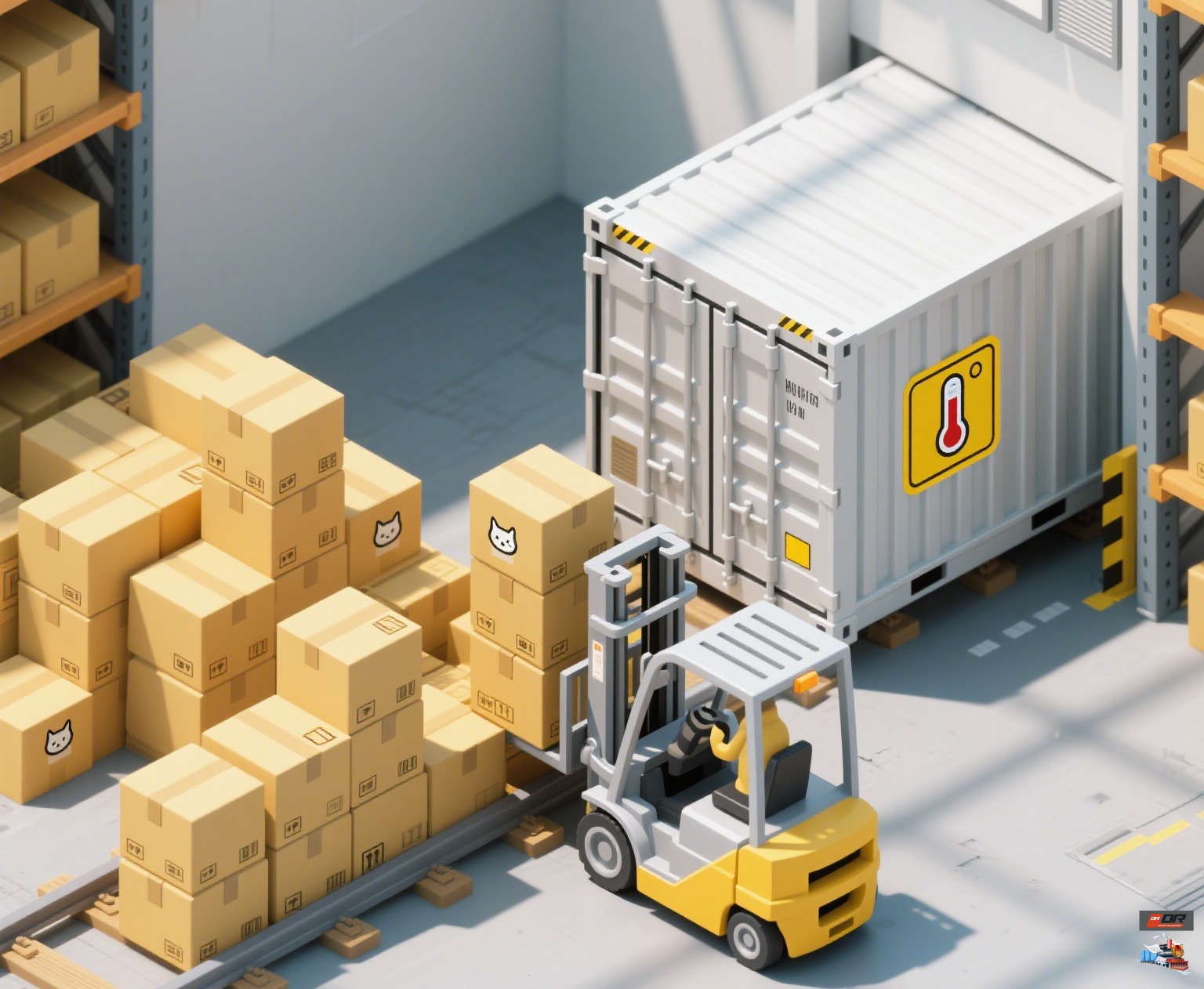
Table 2: Customs Clearance Timelines by Transport Mode
| Transport Mode | Average Clearance Time | Potential Delays |
|---|---|---|
| Air Freight | 6–12 hours | Lab tests for food safety (3–5 days) |
| Rail Freight | 2–3 days | Bulk cargo inspections |
| Sea Freight | 3–7 days | Port congestion |
| Source: Russian Customs Authority guidelines. |
White vs. Gray Customs Clearance
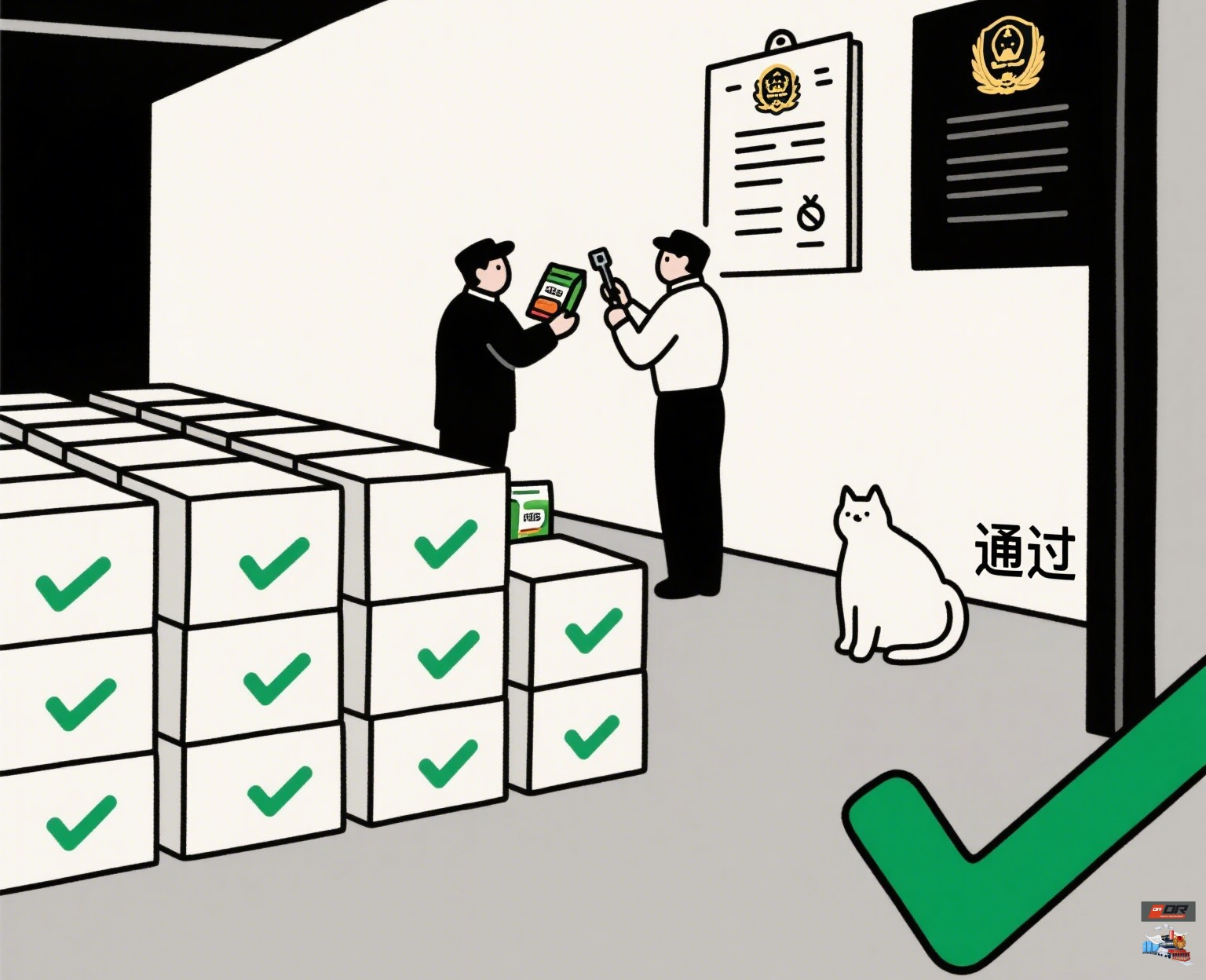
White Clearance: Legal, transparent process with full tax compliance. Recommended for long-term business stability.
Gray Clearance: Faster but risky, often involving undervalued shipments. Penalties include confiscation or fines.
4. Cost Optimization Strategies
Minimize expenses without compromising quality:
Consolidation Services: Combine smaller shipments into full containers (LCL) to reduce per-unit costs.
Incoterms: Use DDP (Delivered Duty Paid) to simplify tax responsibilities.
Route Planning: Prioritize routes with lower seasonal congestion to avoid surcharges.
Table 3: Container Availability Trends (2024)
| Route | Peak Season Demand | Recommended Booking Lead Time |
|---|---|---|
| Shanghai to Moscow | Q3–Q4 | 60–90 days in advance |
| Qingdao to St. Petersburg | Q2–Q3 | 45–60 days in advance |
| Source: Global container leasing reports. |
5. Case Study: Successful Cat Food Export via Rail
A Chinese exporter shipped 10 tons of premium cat food from Yiwu to Moscow using rail freight:
Route: Yiwu → Manzhouli → Moscow (18 days).
Cost Savings: Achieved 30% lower costs compared to air freight.
Compliance: White clearance ensured smooth customs processing.
6. Future Trends and Opportunities
E-commerce Integration: Leverage platforms like Alibaba to reach Russian consumers directly.
Sustainability: Adopt eco-friendly packaging to align with Russia’s green initiatives.
Cold Chain Innovations: Invest in IoT-enabled reefer containers for real-time temperature monitoring.
Conclusion
Shipping cat food from China to Russia demands a blend of market insight, logistical expertise, and regulatory compliance. By leveraging rail and sea routes, prioritizing white customs clearance, and aligning with consumer trends, businesses can capitalize on Russia’s growing pet food demand. For tailored solutions, explore Dear Railway Transport’s end-to-end logistics services, ensuring your products reach Russian shelves efficiently and safely.

Nice articles and your information valuable and good articles thank for the sharing information Cat nutrition
回复删除